

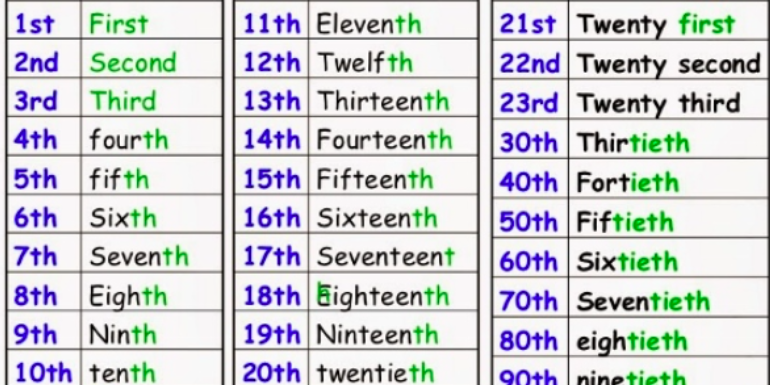
- English
lesson 2
ordinal numerals and cardinal numbers
- Theory with exercises
- Elementary
 English


 English
столовые приборы



Anna Snim

 Malaysia
столовые приборы: spoon, jug, glass...
ordinal numerals and cardinal numbers
English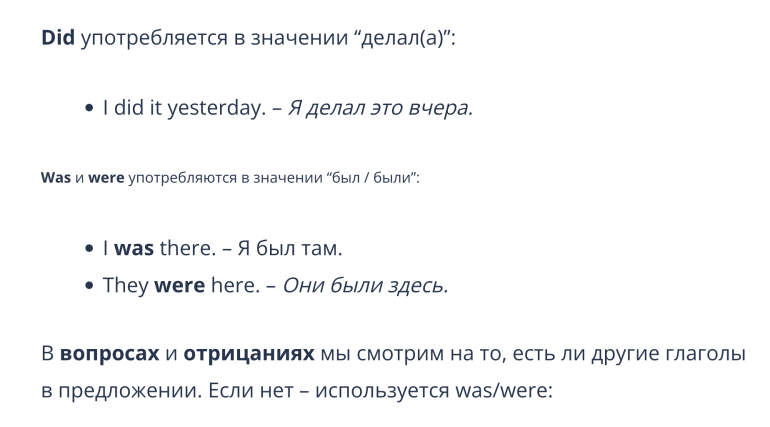
Past simple WAS or DID Did you read yesterday? Was she sick yesterday?
Russian
alphabet video for kids/alphabet video for kids
English
A1 English Listening Practice - Daily Routine, Present Simple
English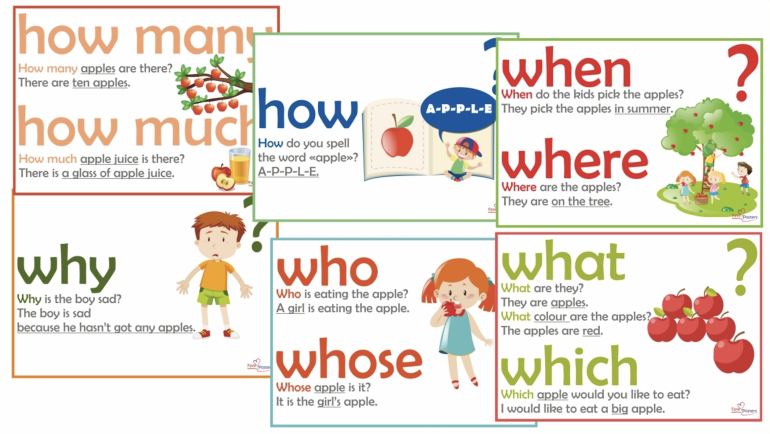
What? — Что? Where? — Где? When? — Когда? Why? — Почему? Who? — Кто? Which? — Который? Whose? — Чей? Whom? — Кого?
English
Champions Hockey League The three leagues - the Ontario Hockey League, the Quebec Major Junior Hockey League and the Western Hockey League - include 60 clubs from nine Canadian provinces and five U.S. states.
English
parts of the face. exercises and theory
English
what is the weather like today? part 1
English
colors. Red Orange Yellow Green Blue Indigo Violet
English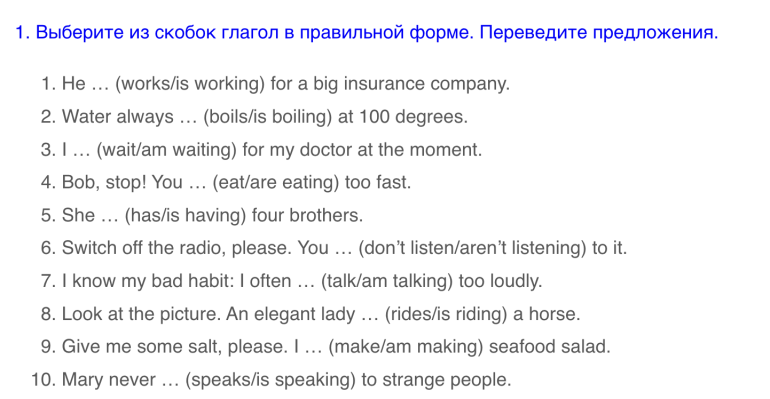
1. I (to do) morning exercises. 2. He (to work) at a factory. 3. She (to sleep) after dinner. 4. We (to work) part-time. 5. They (to drink) tea every day. 6. Mike (to be) a student. 7. Helen (to have) a car. 8. You (to be) a good friend. 9. You (to be) good friends. 10. It (to be) difficult to remember everything.
English
English lesson that is related to the Netflix tv series "Squid Game".
English

In this lesson we will revise past tenses and the verb would
English
-wide.png "Clothes")
In this class we will discuss clothes and colors
English-wide.jpg "Podcast - Coffee Drinking in Australia")
Вначале идет прослушивание подкаста, после идет текст подкаста, где вы можете посмотреть моменты, которые не поняли, далее идет мини опрос на понимание подкаста.
English

Health - illnesses - how to teat illnesses Covid + omicron variend - reading + listening
English

There are 22 million homes in Britain - big homes and small homes, old cottages and new buildings, houses and flats. (Americans say "apartment" but British people say "flat"). Many British people love old houses and these are often more expensive than modern ones. They also love gardening and you will see gardens everywhere you go: in towns, villages and out in the country. Some are very small with just one tree and a few flowers.
English

In this lesson we will discuss gastro-tourism and different cuisines. Also we will discuss grammar topic such as so», «such» and other intensifiers. also we will have speaking tasks.
English
Alexander Sergeyevich Pushkin ( 6 June [O.S. 26 May] 1799 – 10 February [O.S. 29 January] 1837) was a Russian poet, playwright, and novelist of the Romantic era who is considered by many to be the greatest Russian poet and the founder of modern Russian literature.
English
It’s estimated that there are 23 million gardens in the UK – that’s a lot of land with which we can be gardening for wildlife! Bees, birds and butterflies are not only beautiful in their own right, but are useful for the gardener, from pest control to pollination. Bees help pollinate flowers and food. Frogs eat slugs. Birds and ladybirds help keep aphids at bay. If you want to create a home for wildlife in your garden, here’s a couple of nature-friendly gardening jobs to inspire you. If you create the right space, nature will come.
English English

Hello! My name is Oleg Ivanov, and I’m an English language teacher with over 10 years of teaching experience. I believe that learning English should be practical, enjoyable, and stress-free. My goal is to help every student feel confident speaking English, whether they're learning for work, travel, exams, or everyday communication. Over the years, I have worked with students of different ages and language levels, from complete beginners to advanced learners. Every lesson is tailored to the student's goals, learning style, and pace, ensuring steady progress and real results. I continuously improve my teaching skills by completing professional training courses in English language teaching, including TEFL, TESOL, and modern teaching methodology. I enjoy exploring new teaching techniques and making my lessons interactive, engaging, and effective. My lessons focus on: 🗣 Speaking with confidence 📚 Practical grammar 📖 Vocabulary development 🎧 Listening comprehension 💬 Natural everyday English 🎯 Clear pronunciation I always create a friendly and supportive atmosphere where students feel comfortable asking questions, making mistakes, and growing with every lesson. Whether your goal is to improve your English for work, study, travel, or personal development, I'd be happy to help you achieve it. I look forward to meeting you in class! 😊


👋 Hello! I'm Gayane, an English language tutor passionate about helping students achieve their goals with confidence. 📚 I specialize in conversational English, grammar, vocabulary development, pronunciation, Business English, and exam preparation. 🌍 I work with students of all ages and levels—from complete beginners to advanced learners preparing for international exams or professional communication. 💬 My lessons are interactive, practical, and focused on real-life situations. You'll improve your speaking, listening, reading, and writing skills through engaging conversations, authentic materials, and personalized exercises. 🎯 Every student has different goals, so I create a learning plan tailored to your needs—whether you're learning English for travel, work, university, relocation, or everyday communication. 🚀 Together we'll build your confidence, expand your vocabulary, improve pronunciation, and make English a language you enjoy using every day. ❤️ I believe learning should be inspiring, supportive, and fun. My goal is to help you reach measurable results while enjoying every lesson. 📅 I look forward to meeting you and starting your English learning journey together!

English for intermediate. This is a lesson plan designed to develop students; understanding of common idiomatic expressions. Lessons contains intermediate language for expressing opinion, personalising the topic, agreeing and disagreeing.
 Individual
 Regular classesEnglish
Develop your English skills with engaging lessons for adults. Based on authentic videos and real-life topics, each session offers role plays, vocabulary practice, debates, games, and critical thinking exercises to make learning interactive and effective.
IndividualRegular classesEnglish
This one-on-one English class is designed especially for kids. Each lesson is fun, interactive, and adapted to the child’s age and level. We focus on building strong speaking, listening, reading, and writing skills through games, stories, songs, and creative activities. Your child will gain confidence using English in everyday situations while developing vocabulary, grammar, and correct pronunciation — all in a supportive and encouraging environment.
Individual KidsEnglish


















Verified Tutor
Identity & qualifications verified

3-Day Refund Policy
Full refund if not satisfied

Usually responds in 2 hours
Quick replies to your messages

Secure Payments
Your payments are safe with us

Highly Rated Tutor
1 average rating from 1 reviews
