



- Spanish
Диалоги - Знакомство.
Базовая лексика необходимая при знакомстве.
- Video lessons
- Elementary
Russian

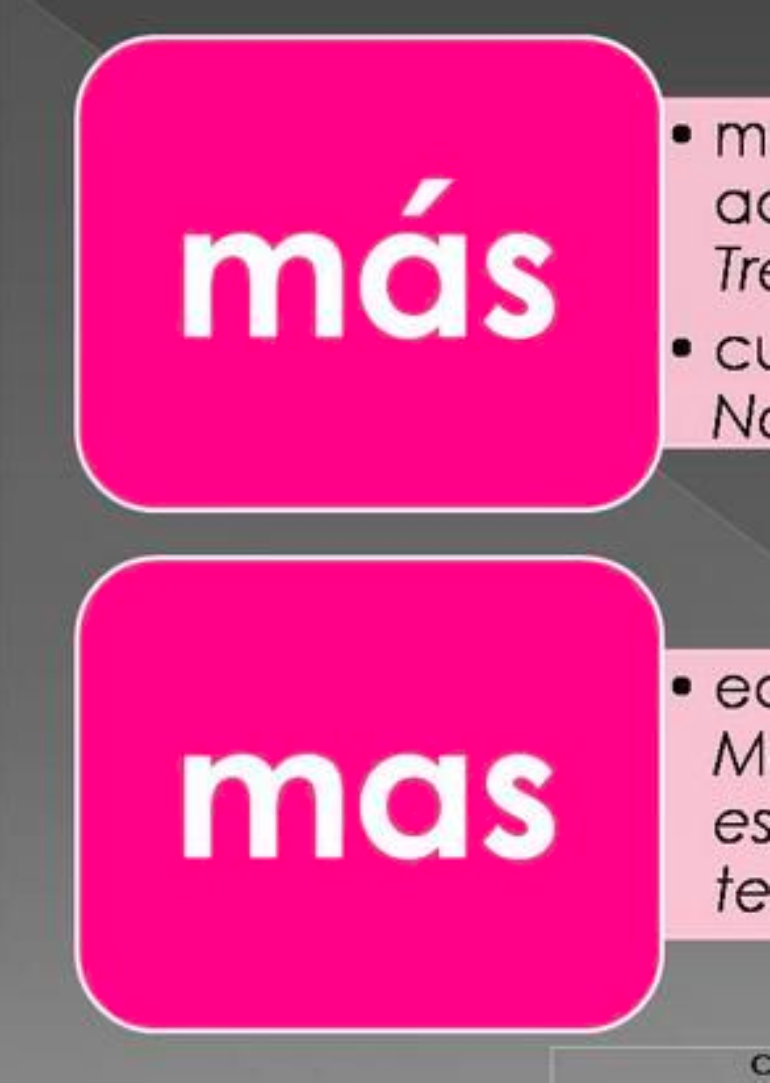
Знаете ли вы, чем отличается союз «mas» от наречия «más»? Употребляются ли эти слова в разговорной речи? Можно ли в одном и том же контексте употреблять оба слова?
В этом уроке вы найдете ответы на эти и многие другие вопросы, а также с легкостью закрепите полученные знания.

Базовая лексика необходимая при знакомстве.

Did you understand the text? Please answer the following questions of understanding after the text.

В этом видео мы учим цвета на испанском языке. Чтобы вы смогли выучить цвета на испанском, вам необходимо просмотреть этот ролик несколько раз и повторять за автором. Отрабатывайте произношение на испанском и старайтесь запомнить каждое слово.

Hai capito il testo? Esercizio di comprensione del testo:

Whole books have been written about the two important Spanish verbs: ser and estar. This will be the subject of our discussion for the next few lessons. Soon, you will have a very good understanding of how these two verbs are used.

Hay una canción de los Beatles que se titula Christmas time is here again. ¡Es decir, la Navidad está aquí otra vez! La Navidad en España se vive con intensidad. Si eres estudiante de español, es importante que entiendas los conceptos básicos.

Hay una canción de los Beatles que se titula Christmas time is here again. ¡Es decir, la Navidad está aquí otra vez! La Navidad en España se vive con intensidad. Si eres estudiante de español, es importante que entiendas los conceptos básicos.

Did you understand the text? Please answer the following questions of understanding after the text

Vivo en un pueblo muy pequeño cercano a la montaña, donde hay un lago precioso en donde es habitual ver patos y cisnes nadando.


Did you understand the text? Please answer the following questions of understanding after the text


In the previous two lessons you learned the fundamental difference between ser and estar – essence or condition (“what” something is v. “how” something is), as well as some common uses for the verb ser. This lesson examines the other Spanish verb for “to be”: estar.


In the previous three lessons you learned the fundamental difference between ser and estar — essence or condition, as well as some common uses for each verb. This lesson presents the two verbs side by side, with the emphasis on contrasting their uses. In the process, much — but not all — of the previous three lessons will be reviewed.

Сослагательное наклонение, как известно, выражает отношение говорящего к действительности. Сослагательное наклонение встречается в испанской речи очень часто. Любят испанцы выражать с его помощью возможные и вероятные, желаемые и необходимые, т.е. гипотетические действия.


“In school, most people learn Spanish by memorizing and being focused on grammar, but when they have to speak, nothing comes out. That’s my situation, but as I am learning with Oscar’s lessons, I am enjoying the process, and actually, I understand real spoken Spanish more and more, and now little words of Spanish are popping up into my head. This method is much powerful, much faster and it’s the way to learn Spanish when you really want to speak it.”

In Spanish, there may be several ways to ask the same question. Note the inverted question mark that begins each question.