


- English
FCE
Listening all parts of FCE test
- Video
- Upper Intermediate
 English

Listening all parts of FCE test
English
GrammarGrammarGrammarGrammarGrammarGrammarGrammar
English

English pronunciation for Spanish speakers. If Spanish is your native language, this video will help you to fix a common mistakes that Spanish speakers make when they're speaking English. When the letter S is at the beginning of a word and the following letter is a consonant, make sure that you don't add an extra vowel sound before the word. For example, don't say "estudy". Don't take a breath before you say the word. Just start saying the "s". Watch this video for other examples.
English

Idę do sklepu. Moja dziewczyna Lila poprosiła mnie o zakupy. Chce zrobić dużą kolację z okazji swoich urodzin Did you understand the text? Please answer the following questions of understanding after the text
English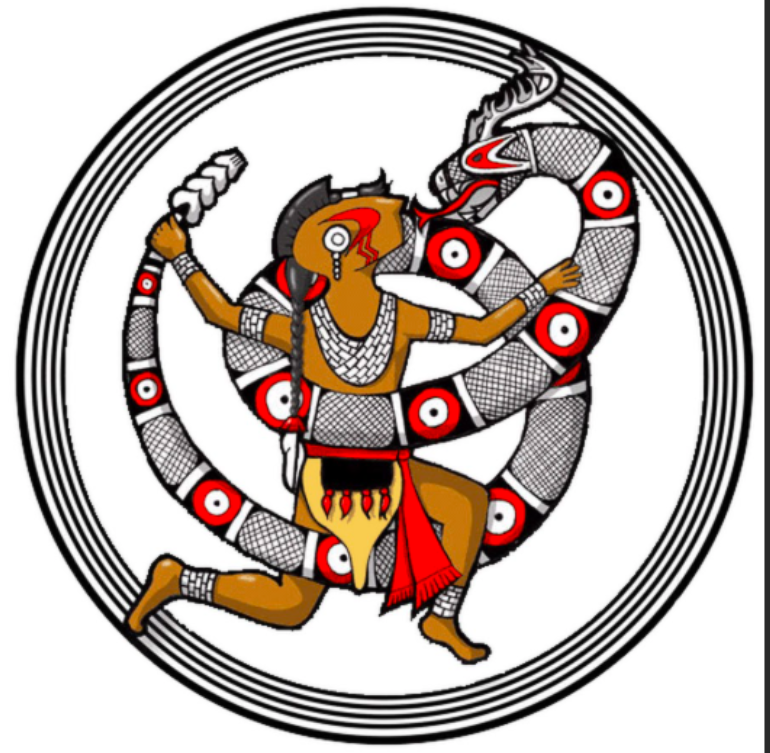
I Think the Most Important Part of Being Cherokee is an honest exploration of identity, heritage, and modern Indigenous life. Through personal stories, cultural conversations, and deep dives into history and community, this podcast looks beyond stereotypes to unpack what belonging to the Cherokee Nation really means today.
English
In this class we will discuss the 21 day challenge and future constractions will and to be going to.
English
In this class we will discuss jobs topic. Also we will revise present simple and present continuous tenses.
English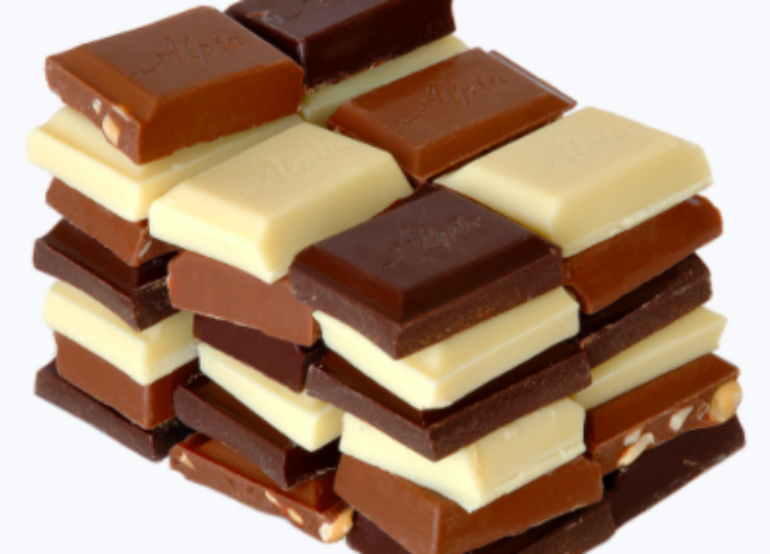
BOB DOUGHTY: I'm Bob Doughty. SHIRLEY GRIFFITH: And I'm Shirley Griffith with EXPLORATIONS in VOA Special English. Today we travel around the world exploring the history of chocolate. Its story begins with a plant whose scientific name, Theobroma cacao, means "food of the gods." For centuries, people have been enjoying the rich flavor of chocolate, a product made from this plant. Join us as we tell about the history of chocolate and how it is produced. We will also meet Jane Morris, a chocolate maker in Washington, DC. (MUSIC) BOB DOUGHTY: Most people today think of chocolate as something sweet to eat or drink than can be easily found in stores around the world. It might surprise you that chocolate was once highly treasured. SHIRLEY GRIFFITH: Historians believe the Maya people of Central America first learned to farm cacao plants around two thousand years ago. The Maya took the cacao trees from the rainforests and grew them in their gardens. They cooked the cacao seeds, then crushed them into a soft paste. They mixed the paste with water and flavorful spices to make an unsweetened chocolate drink. The Maya poured the chocolate drink back and forth between two containers so that the liquid had a layer of bubbles, or foam. Cacao and chocolate were an important part of Maya culture. There are often images of cacao plants on Maya buildings and art objects. Ruling families drank chocolate at special ceremonies. And, even poorer members of society could enjoy the drink once in a while.
English Russian
Change is a part of life. If we don't move forward, we slide back. In this lesson, you will look into an exciting world of innovations. You will hear and read about some of the coolest inventions out there. You will also learn and practise functional language to explain how something works. Have a great lesson!
English