


- English
Organizational structure
In this lesson we will discuss different organizational structures and new words
- Theory with exercises
- Intermediate
 English

In this lesson we will discuss different organizational structures and new words
English
Grammar, conditional sentences, an article about dreams and past events in life
English
To join a queue – Встать в очередь To try something on – Примерить что- то To be in or out of fashion – Быть в моде или выйти из моды Sky-high prices – Заоблачные, высокие цены Fit somebody – Идеально подходить по размеру Glamorous – очаровательный Good-looking – красивый Gorgeous – великолепный
English
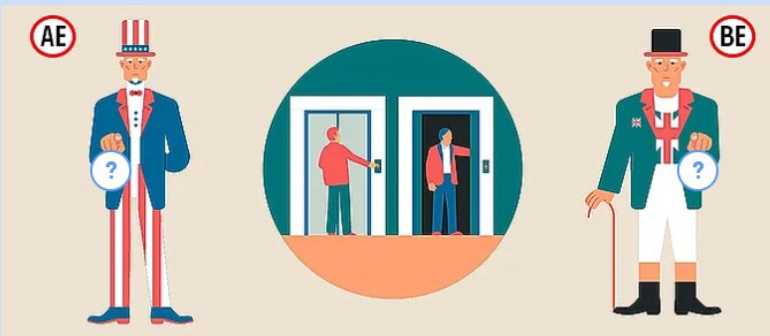
In this class we will see the difference between British English and American English, we will spell different words and phrases and practice speaking skills.
English
Nations have been trying to solve and/or avoid political conflicts for many years and have been turning to different methods. In this lesson, you will study how successful gastrodiplomacy might be to achieve peace in the world. You will also find out about some of the most active gastrodiplomacy nations, and what they have done to become such. Moreover, you are going to study causative verbs to talk about things people ask someone else to do for them.
English
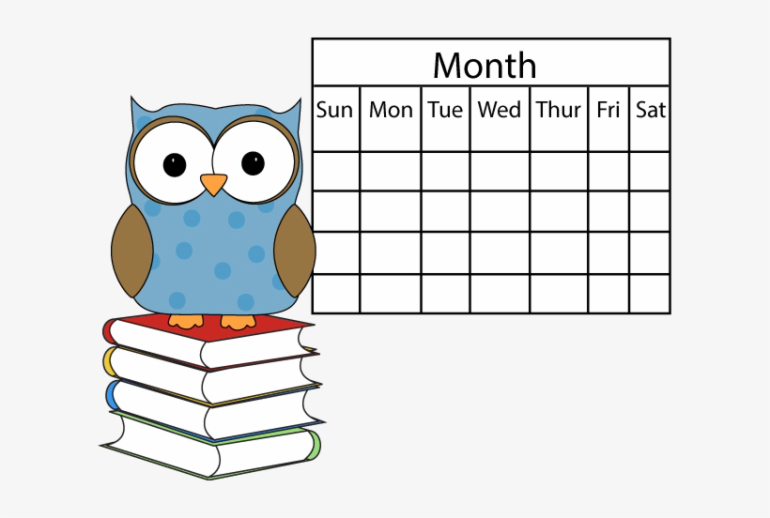
Learn and practice the days of the week.
English

In this class we will discuss unusual job positions, companies and articles
English
This class is about digital nomads and remote work. Also in this lesson we will discuss modal verbs and see how to use them. We will also have some speaking practice.
English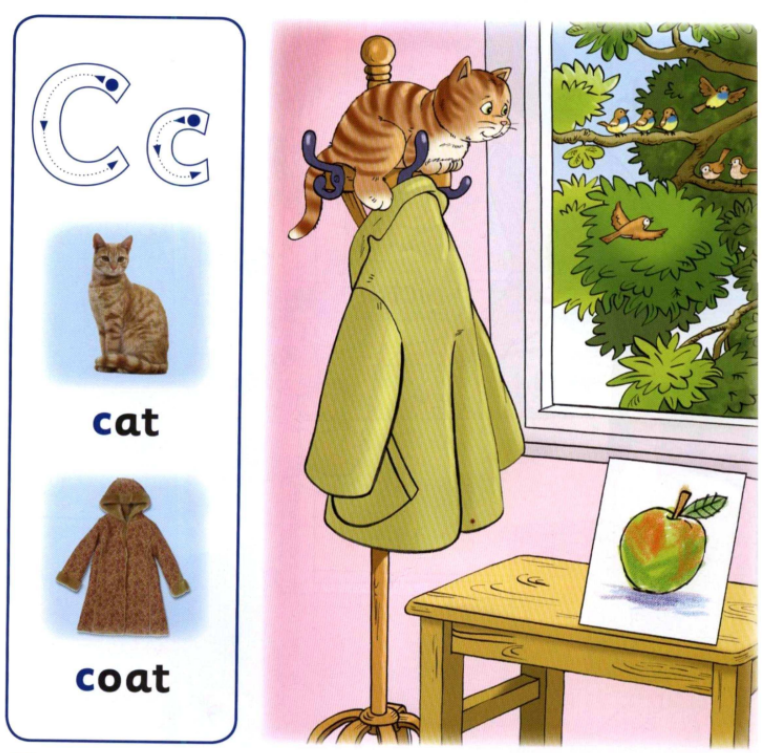
-stand up, sit down, clap, point, jump, put hand up/down -letters C and D -new words: cat, coat, dog, date
English
In this class we will talk about traditions and revise zero, first and second conditionals
English
Practice matching the opposite words!
EnglishListening Lemon tree song Prepositions of place and time revision
EnglishRevision of present simple - affirmative, negative and questions
English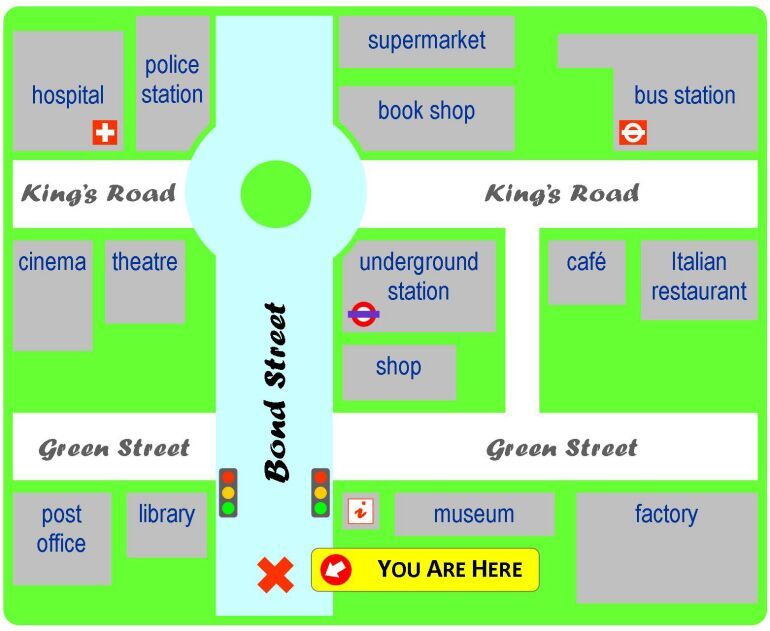
Countable and uncountable nouns and forms of s
English
what which why when where who whom whose how
English
Spoken class with vocabulary about investment
English
Hotel Reservations: Checking In on Essential English" is your practical guide to navigating hotel bookings with confidence. Learn the key phrases, vocabulary, and etiquette needed to request room types, negotiate check-in times, ask about amenities, and handle unexpected issues smoothly during your stay.
English

Подкаст, продолжительность 11 минут, Как в Австралии решают вопрос где и с кем оставить детей после школы, пока родители работают.
English
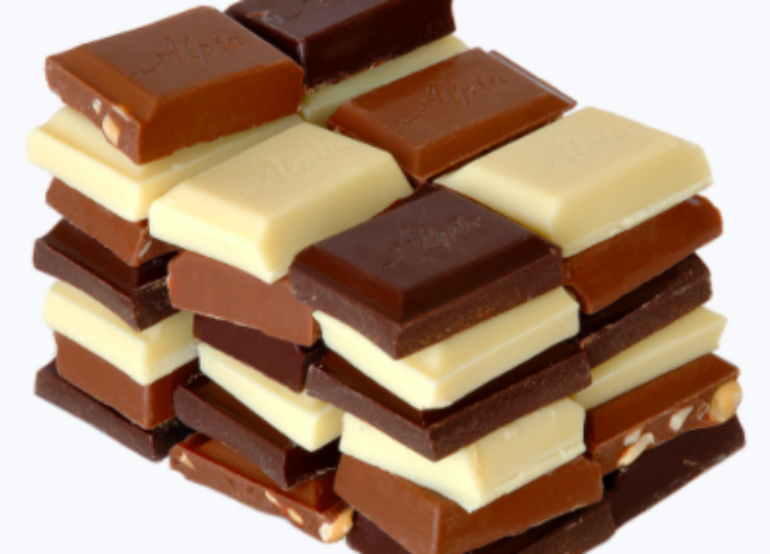
BOB DOUGHTY: I'm Bob Doughty. SHIRLEY GRIFFITH: And I'm Shirley Griffith with EXPLORATIONS in VOA Special English. Today we travel around the world exploring the history of chocolate. Its story begins with a plant whose scientific name, Theobroma cacao, means "food of the gods." For centuries, people have been enjoying the rich flavor of chocolate, a product made from this plant. Join us as we tell about the history of chocolate and how it is produced. We will also meet Jane Morris, a chocolate maker in Washington, DC. (MUSIC) BOB DOUGHTY: Most people today think of chocolate as something sweet to eat or drink than can be easily found in stores around the world. It might surprise you that chocolate was once highly treasured. SHIRLEY GRIFFITH: Historians believe the Maya people of Central America first learned to farm cacao plants around two thousand years ago. The Maya took the cacao trees from the rainforests and grew them in their gardens. They cooked the cacao seeds, then crushed them into a soft paste. They mixed the paste with water and flavorful spices to make an unsweetened chocolate drink. The Maya poured the chocolate drink back and forth between two containers so that the liquid had a layer of bubbles, or foam. Cacao and chocolate were an important part of Maya culture. There are often images of cacao plants on Maya buildings and art objects. Ruling families drank chocolate at special ceremonies. And, even poorer members of society could enjoy the drink once in a while.
English
Speaking club about Wednesday and TV series
English