


- English
IELTS speaking tips
Some himts how to pass the Speaking part during IELTS exam
- Theory
- Advanced
 English

Some himts how to pass the Speaking part during IELTS exam
English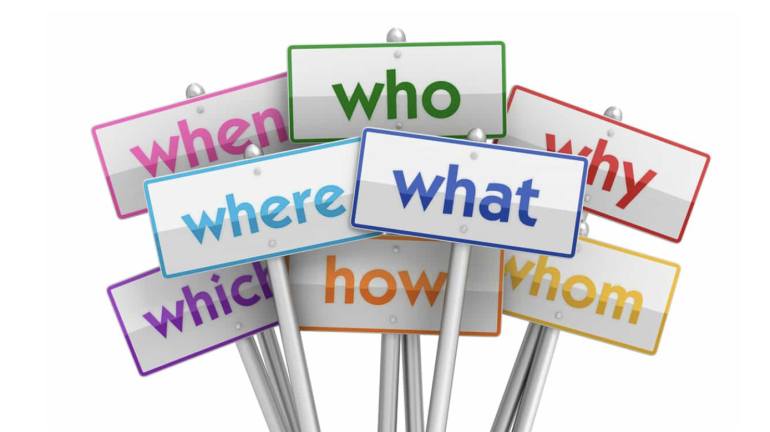
what which why when where who whom whose how
English
This lesson is based on the advanced English File textbook, and all material is from that textbook.
English

Glow marathone topic India day
English
FCE writing exercises explained - article, report, review, email, essay, letter
English
Приглашаем всех посетить бесплатный онлайн вебинар по теме "Релокация, обучение и работа за рубежом"
English
Рассмотрим, как образовать вопрос во времени Present Simple (простое настоящее время) Когда используется Do в Present Simple Когда используется Does в Present Simple Специальные вопросы в Present Simple Тест
English
Как и когда использовать форму глагола to be во времени Present Simple (простое настоящее) Тест
English
colors. Red Orange Yellow Green Blue Indigo Violet
English
В этом уроке рассмотрим, когда применяется Past Simple Tense (простое прошедшее) время и как образовать утвердительную форму.
English
Speaking club on work-life balance and what to do
English
In this class we will discuss street art and Inversion with "only", "neither" and "so"
English
In this class we will strat talking about superheroes and explore Present Simple Tense
English
In this class we will discover Uzbekistan and talk about its traditions, food, attractions.
English
In this class we will discuss different jobs and present simple, questions
English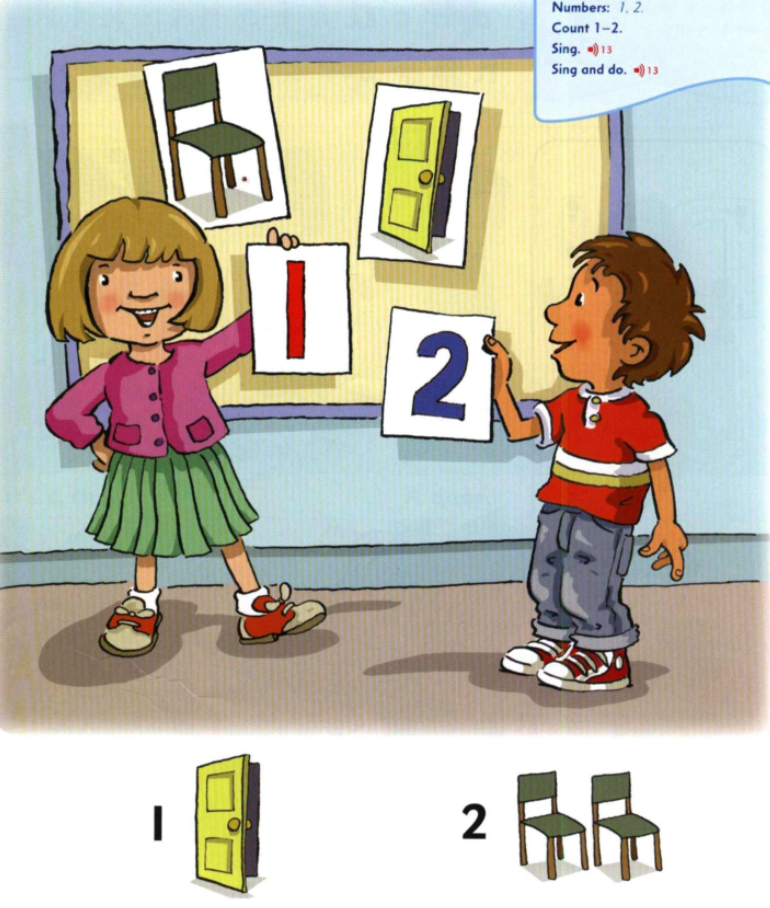
-numbers 1 and 2 -review of classroom vocabulary
English
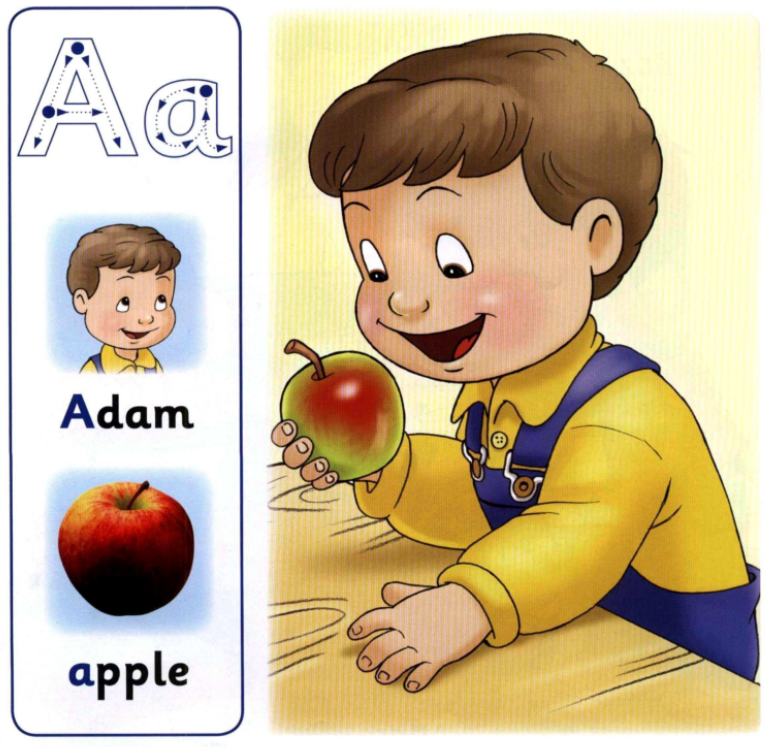
- Main characters of the book - "Hello, I am ... . how are you?" - Letters A and B
English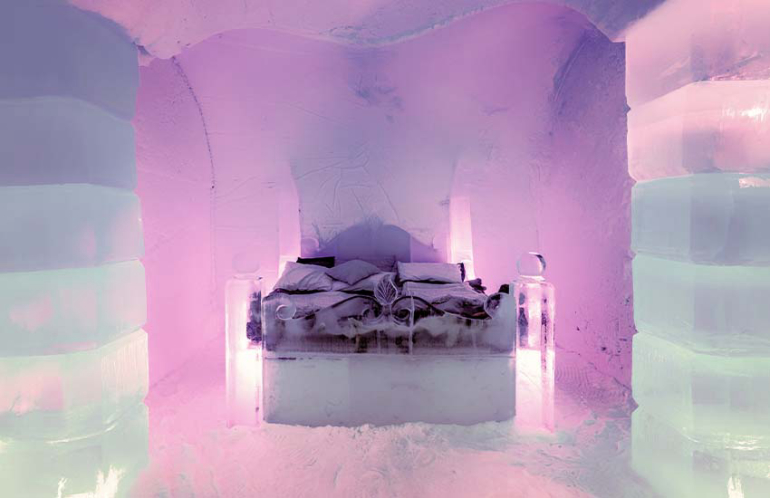
What Makes a Sentence? Grammar A sentence begins with a capital letter and ends with a terminal punctuation such as a period, a question mark, or an exclamation point. A single sentence consists of a single clause (a subject and a predicate). Other complex sentences consist of two or more clauses. (Is / Are) you into skiing? Of course, all of these parts of the hotel (is / are) made of ice.
English

In this class we will discuss the theory of laziness, is it a beneficial thing or not. Also we will learn the constraction "get used to" and see how to differ it from "used to".
English
In this lesson, we'll discuss amazing films based on the lives of real people. You'll also revise the grammar and vocabulary of the previous lessons. At the end of the lesson, you'll even come up with an idea for your own film!
English