

- English
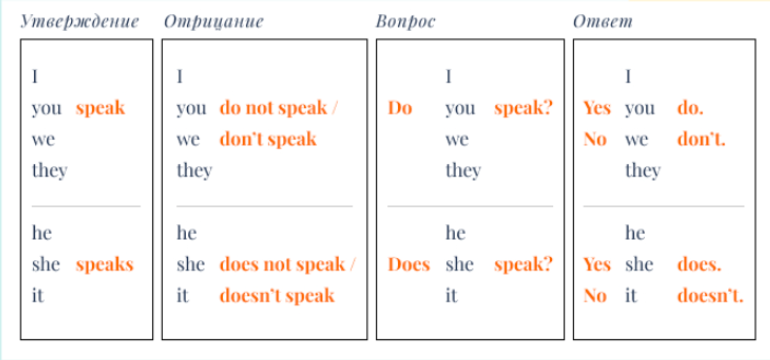
Present Simple
Present Simple: ex (I work in a bank. (work))
- Theory with exercises
- Elementary
 English

Present Simple: ex (I work in a bank. (work))
English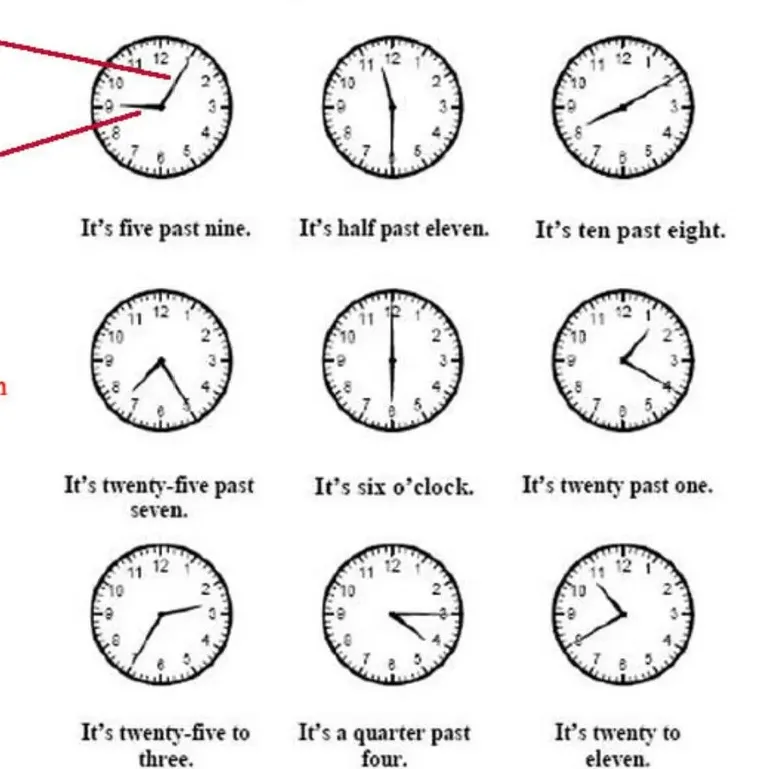
This lesson helps learners understand how to ask for and tell the time in English. Students will learn key expressions such as o’clock, half past, quarter past/to, and how to use a.m. and p.m. They will also practice common questions and answers: “What time is it? – It’s …” and “When does it start? – At …”. The lesson includes: Vocabulary and numbers 1–59 Different ways of telling the time (analog & digital clocks) Using past / to for minutes Expressions with in the morning/afternoon/evening, at night Daily routine activities with time references Activities involve dialogues, matching clocks with the correct time, and role plays to practice schedules and appointments. By the end of the lesson, learners will be able to confidently tell and ask the time in English.
English

Poses for photographers and vocabulary
English

----
English
In this lesson we will discuss customers experience and passive voice.
English

In this class we will discuss animals, learn where to use really and very and revise to be going to
English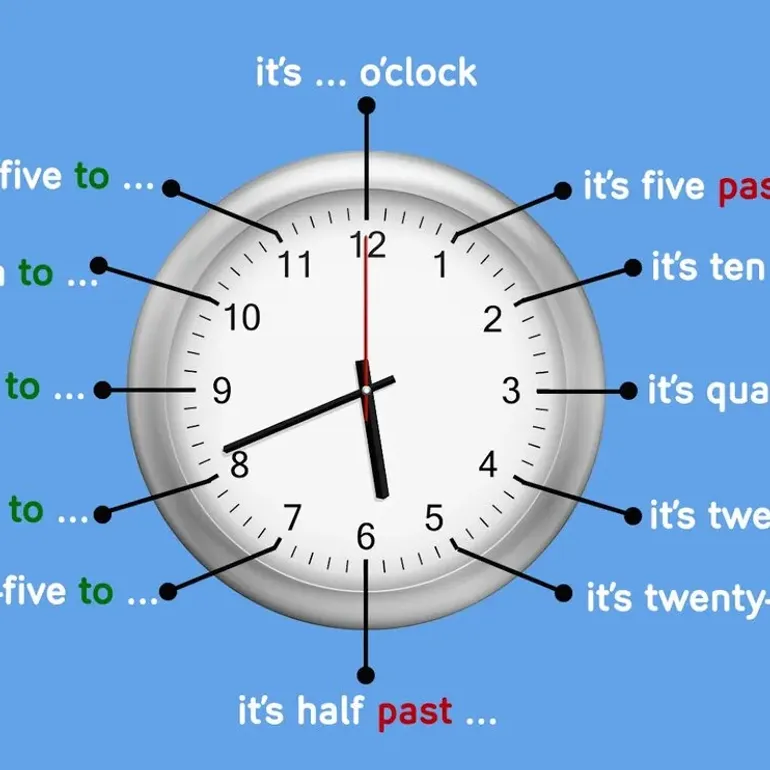
This lesson helps learners understand how to ask for and tell the time in English. Students will learn key expressions such as o’clock, half past, quarter past/to, and how to use a.m. and p.m. They will also practice common questions and answers: “What time is it? – It’s …” and “When does it start? – At …”.
English
In our next Russian lesson will introduce words and phrases associated with families. This will allow you to talk about your family, which is a very popular topic of conversation in Russia. One of the important concepts that we will introduce in this lesson is possessive pronouns. Possesive pronouns are words such as: my, your, his, her, and our. Personal pronouns are normally used to indicate the ownership of an object. The other method to indicate ownership is to use the genative case.
Russian

AI is something that can truly change our reality, or has it already done it? Social media is already influencing us, that's for sure! In this lesson, you will look at the results of using new technologies and try to predict the possible effects this usage can have in the near future. The best predictor of future performance is past performance, right?
English Russian