


- Englisch
Climate changes
In this class we will discuss climate changes and different ecological issues. We will learn Third Conditional type, train it and see how it differes from another conditional types.
- Theorie mit Übungen
- Mittelstufe
 Englisch

In this class we will discuss climate changes and different ecological issues. We will learn Third Conditional type, train it and see how it differes from another conditional types.
Englisch
- casos del uso del verbo haber - casos del uso del verbo estar - hay y estar en el presente de indicativo - hay y estar en los tiempos pasados (pretérito perfecto; pretérito indefenido; pretérito imperfecto)
Spanisch

In this class we will discuss different jobs and present simple, questions
Englisch
In this class we will divide you into two Universes - Marvel and DC.
Englisch
Grammar, conditional sentences, an article about dreams and past events in life
Englisch
In this class we will discuss weather and learn Future Simple
EnglischIn this class we will revise alphabet, learn numbers and To be, days of week
EnglischWe will discuss innovations and future simple, going to, may/might
EnglischIn this class we will discuss life coaching and revise all tenses
EnglischIn this class we will discuss Presentation structure and Present tenses
Englisch
alphabet (a,b,c,d,e) for children 4-5
Englisch

Get ready for your trip to Spain with this class- pluses, minuses, food and rules
Englisch
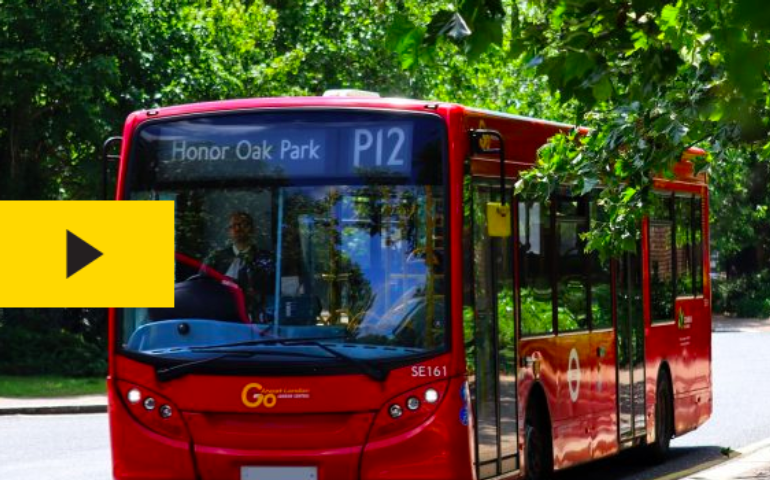
If you heard that there was a piece of technology that could do away with traffic jams, make cities more equitable, and help us solve climate change, you might think about driverless cars, or hyperloops or any of the other new transportation technologies that get lots of hype these days. But there is a much older, much less sexy piece of machinery that could be the key to making our cities more sustainable, more liveable, and more fair: the humble bus. Steven Higashide is a transit expert, bus champion, and author of a new book called Better Buses Better Cities. And the central thesis of the book is that buses have the power to remake our cities for the better. But he says that if we want the bus to reach its potential, we’re going to have to make the experience riding one, a lot more pleasant.
Englisch
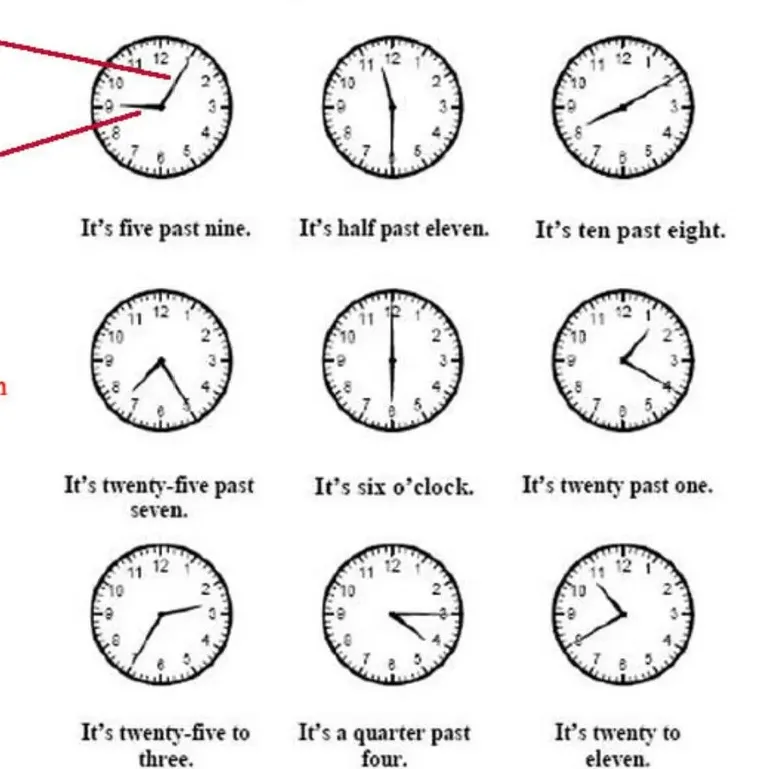
This lesson helps learners understand how to ask for and tell the time in English. Students will learn key expressions such as o’clock, half past, quarter past/to, and how to use a.m. and p.m. They will also practice common questions and answers: “What time is it? – It’s …” and “When does it start? – At …”. The lesson includes: Vocabulary and numbers 1–59 Different ways of telling the time (analog & digital clocks) Using past / to for minutes Expressions with in the morning/afternoon/evening, at night Daily routine activities with time references Activities involve dialogues, matching clocks with the correct time, and role plays to practice schedules and appointments. By the end of the lesson, learners will be able to confidently tell and ask the time in English.
Englisch
 Russisch
----
Englisch Russisch
"Hardware" means the computer itself and other machines which are connected to the computer such as printers or external disk drives. "Software" means the electronic programmes which make the computer do what you want it to do (or, sometimes, what the computer wants to do!)
Englisch
Glow marathone topic India day
Englisch
Revision of present simple - affirmative, negative and questions
Englisch