

- English
PRESENT SIMPLE - PRESENT CONTINUO
СРАВНЕНИЕ ВРЕМЕН PRESENT SIMPLE - PRESENT CONTINUOUS
- Theory
- Elementary
 English

СРАВНЕНИЕ ВРЕМЕН PRESENT SIMPLE - PRESENT CONTINUOUS
English
In this class we will practice speaking skill about family, friendship and happiness
English
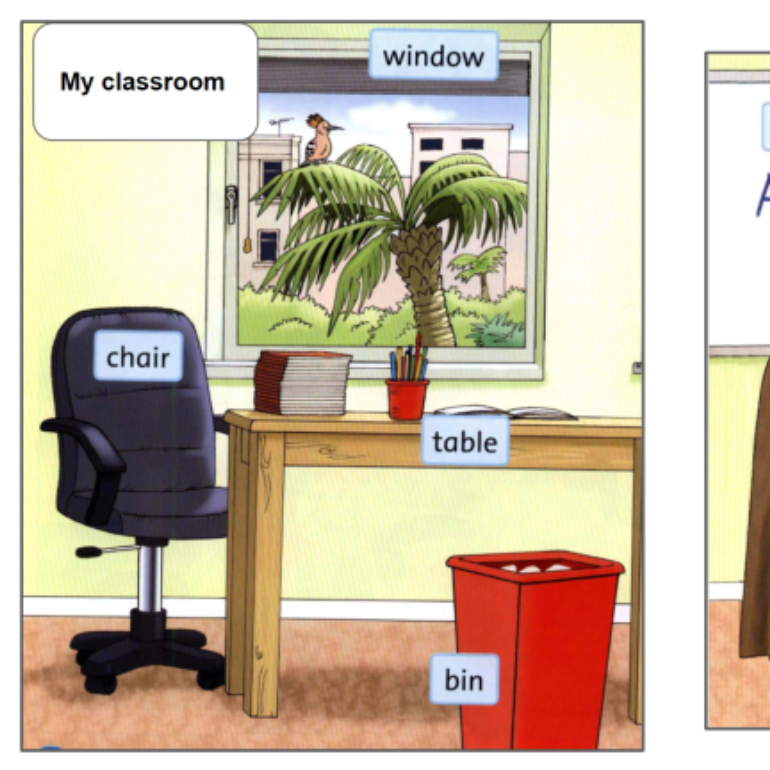
-things in my classroom -review of letters A, B, C, D
English
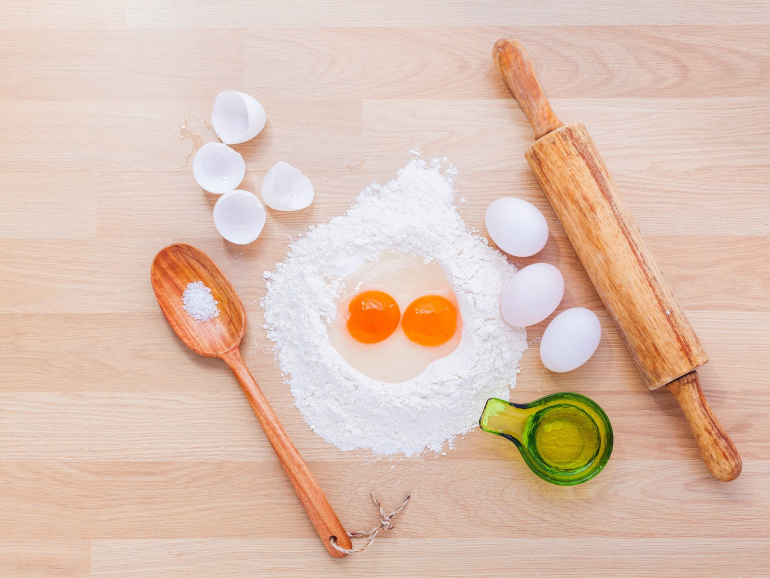
Learn how to order in a restaurant and deal with problems
English

Game club for adults in GLOW schоol
English
Welcome to the lesson about Russian names! We will investigate Russian names, their origin and usage. The three-part form of modern Russian names consists of a first name, patronymic and surname . It first appeared in the 10th century but became normal during the reign of Tzar Peter I.
Russian
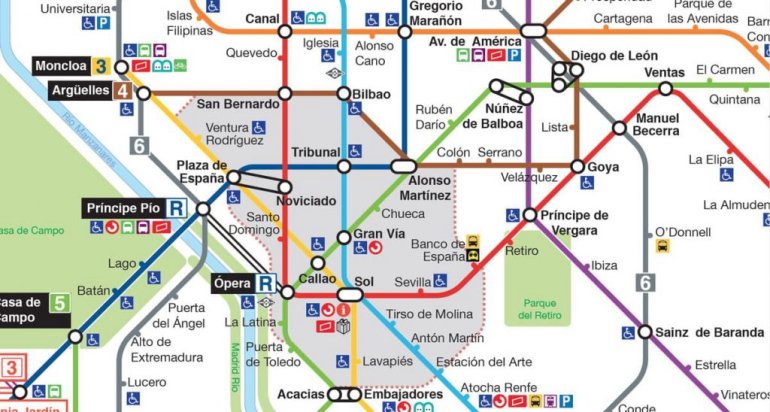
Directions in the city - maps + metro
English
FCE speaking
English
In our next Russian lesson will introduce words and phrases associated with families. This will allow you to talk about your family, which is a very popular topic of conversation in Russia. One of the important concepts that we will introduce in this lesson is possessive pronouns. Possesive pronouns are words such as: my, your, his, her, and our. Personal pronouns are normally used to indicate the ownership of an object. The other method to indicate ownership is to use the genative case.
Russian
Explore personality topic with different adjectives
English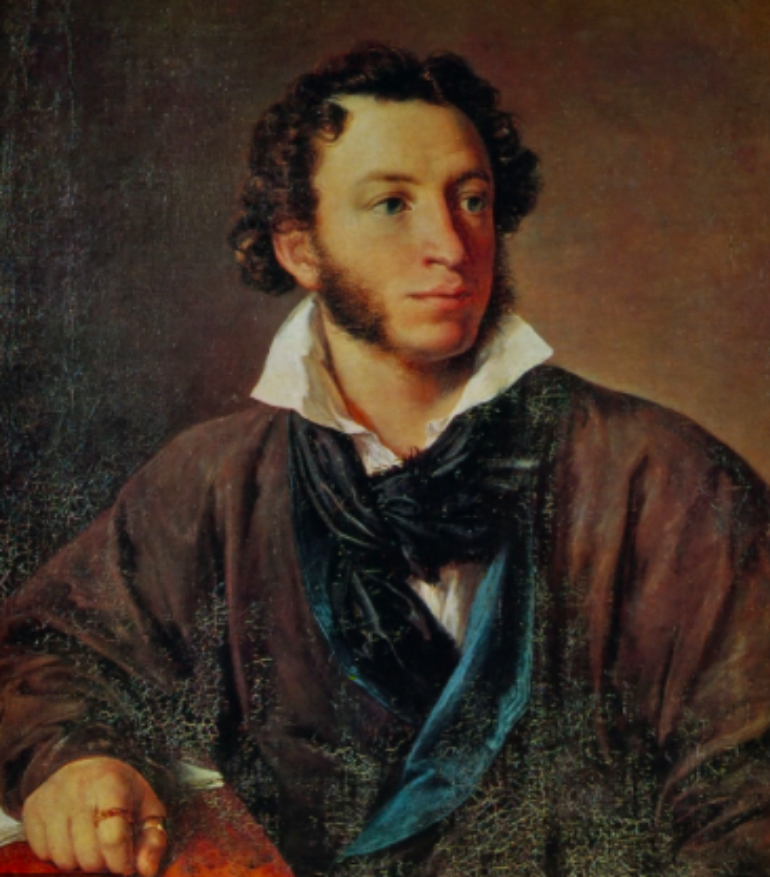
Alexander Sergeyevich Pushkin ( 6 June [O.S. 26 May] 1799 – 10 February [O.S. 29 January] 1837) was a Russian poet, playwright, and novelist of the Romantic era who is considered by many to be the greatest Russian poet and the founder of modern Russian literature.
English
A couch is a sofa, such as people have in their sitting-rooms, often in front of the television. Some people spend a lot of time sitting on the couch watching television, and probably getting fat for want of exercise. We have a name for such people in English – couch potatoes. And, as British people are well known for watching TV a lot, perhaps we are a nation of couch potatoes. Google, the company that runs the internet search engine, has just published a survey which claims that British people now spend more time on the internet than they do watching television – 164 minutes a day on average on the internet, 148 minutes watching television.
English
Lesson about natural disasters- what they are, how to deal with them, facts and figures. Reading, use of English and listening
English
In this class we will talk about marrige, idioms and new trends
English
Who is the Easter Bunny?
English
Spoken class about how t challange yourself to do something in order to achieve yor goal
English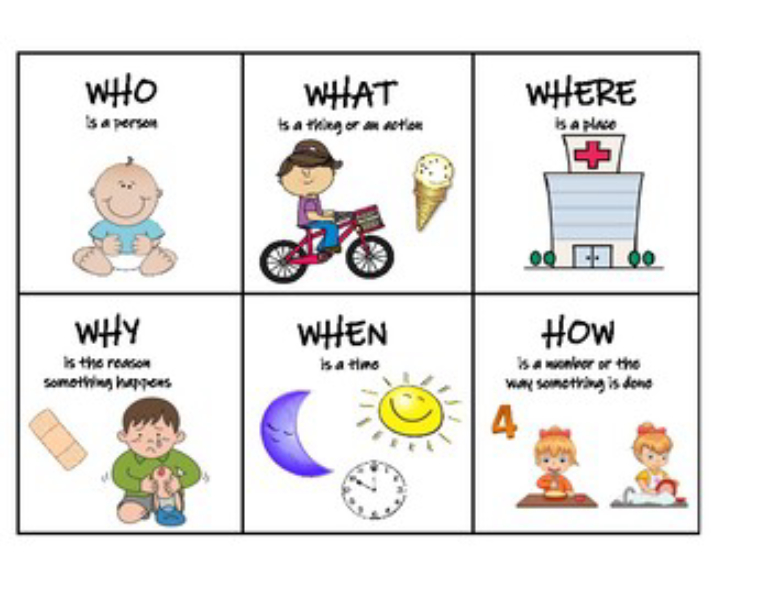
Легкий тест для детей на знание специальных вопрос в английском языке
English

In this class we will discuss different Food myths and if they are true, also some great food lifehacks. We will learn passive and active voice as well.
EnglishIn this class we will revise future constraction and adverbs
English
Lots of people struggle with their fears every day. Some of them try to cope with them, others are used to living with them. Today, we are going to talk about the most common phobias and the reasons why they appear. Also, we'll read a personal story to have a closer look at this problem and study the vocabulary that can help you to express your opinion about phobias. In addition to that, we'll study and practise how to use past modals correct
English