
- English
My hobbies
In this class we will talk about hobbies. Also we will learn present simple.
- Theory with exercises
- Pre-Intermediate
 English

Nothing found.
We couldn’t find any matching results. Try adjusting your keywords or browsing by category.
In this class we will talk about hobbies. Also we will learn present simple.
English
Listening all parts of FCE test
English

-----
English
I\You\We\They + play He\She\It + plays
English
always [‘ɔːlweɪz] всегда usually [‘juːʒ ə)lɪ] обычно often [‘ɔfən] часто sometimes [‘sʌmtaɪmz] иногда, временами rarely [‘reəlɪ] / seldom [‘seldəm] редко, нечасто never [‘nevə] никогда, ни разу ever [‘evə] когда-либо, also [‘ɔːlsəu] тоже, также, к тому же just [ʤʌst] сейчас, прямо, точно, только still [stɪl] до сих пор, всё ещё, по-прежнему already [ɔːl’redɪ] уже
English
Edward de Bono's Six Thinking Hats approach is a simple way to gain objective perception of information in all areas. Putting on a hat of a certain color, a person plays a certain role that corresponds to it, looks at the problem from a certain point of view. There are six hats: white, yellow, red, black, green and blue.
English
----
English
Some himts how to pass the Speaking part during IELTS exam
English
Listening Lemon tree song Prepositions of place and time revision
English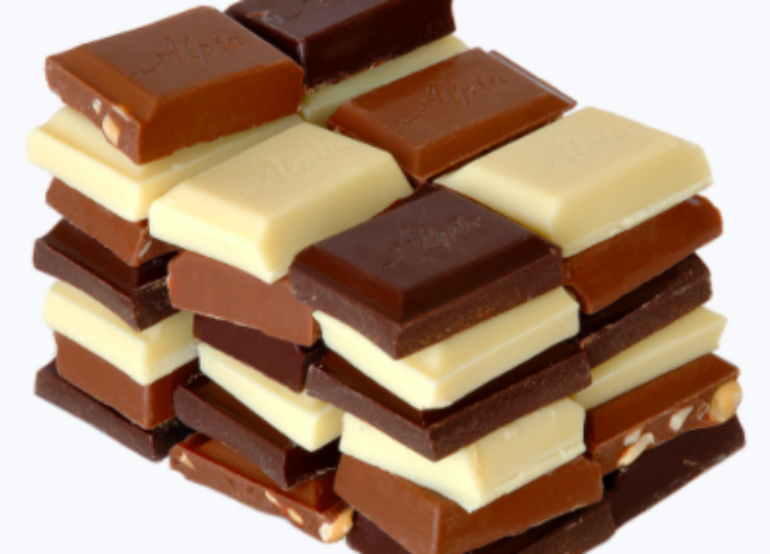
BOB DOUGHTY: I'm Bob Doughty. SHIRLEY GRIFFITH: And I'm Shirley Griffith with EXPLORATIONS in VOA Special English. Today we travel around the world exploring the history of chocolate. Its story begins with a plant whose scientific name, Theobroma cacao, means "food of the gods." For centuries, people have been enjoying the rich flavor of chocolate, a product made from this plant. Join us as we tell about the history of chocolate and how it is produced. We will also meet Jane Morris, a chocolate maker in Washington, DC. (MUSIC) BOB DOUGHTY: Most people today think of chocolate as something sweet to eat or drink than can be easily found in stores around the world. It might surprise you that chocolate was once highly treasured. SHIRLEY GRIFFITH: Historians believe the Maya people of Central America first learned to farm cacao plants around two thousand years ago. The Maya took the cacao trees from the rainforests and grew them in their gardens. They cooked the cacao seeds, then crushed them into a soft paste. They mixed the paste with water and flavorful spices to make an unsweetened chocolate drink. The Maya poured the chocolate drink back and forth between two containers so that the liquid had a layer of bubbles, or foam. Cacao and chocolate were an important part of Maya culture. There are often images of cacao plants on Maya buildings and art objects. Ruling families drank chocolate at special ceremonies. And, even poorer members of society could enjoy the drink once in a while.
English